- Home
- Guide to This Website
- Take Action for Human Rights
- Disabled
- GHB - Xyrem
- Human Rights
- Human Persons vs Corporations
- Law Enforcement
- Legal
- Mental Health Rights
- Medical Fraud
- PTSD
- Psychiatric Rights
- Residental Treatment Abuse
- Sexual Assault
- Whistleblowers
- Native American
- Women's Rights
- Aertoxic Syndrome
- Food & Drug Administration - Off Label
- The Emperor's New Clothes
- NAFTA Foreign Investor Privileges
- MWAN UN Reports
- Supreme Court Decision - Citizens United
- Do You Know What a Dragon Looks Like?
- Mass Murder and Psychiatric Drugs
- Patients not Consumers
- La Experimentación no Consensual Spanish
- Medical Deferred Action Immigration Cases
- Voting Rights for Residents of the District of Columbia
- Benefits Trafficking
“All human beings are born free and equal in dignity and rights. They are endowed with reason and conscience and should act towards one another in a spirit of brotherhood.”
Universal Declaration of Human Rights
Article 1
Post-Traumatic Stress Disorder
Post Traumatic Stress Disorder (PTSD) is a natural emotional reaction to a deeply shocking and disturbing experience. It is a normal reaction to an abnormal situation. Any human being has the potential to develop PTSD. The cause is external not internal. It is a Psychiatric Injury not Mental Illness. It is not resulting from the individual’s personality. The Whistleblower who is the victim of the retaliation is not inherently weak or inferior. In fact, any human being has the potential to develop PTSD. Whistleblower retaliation is extremely stressful and may lead to burnout or stress break-down - which is not the same as nervous or mental break-down; as stated above, everyone breaks down under the stress of a life altering trauma that is deeply wounding. Thus individuals suffering PTSD are injured, not mentally ill. PTSD indicates severe trauma and stress which causes a weakness in the individual, and not the reverse. This is confusing for mental health practitioners and laypersons alike. But the distinction is important if mental health practitioners desire to assist a traumatized victim. Too often reactions which are normal under excessive or prolonged stress are assumed to be signs of abnormality or deficiency within the person affected, which may then be assumed to be the cause of the problem rather than a consequence of it (this is sometimes referred to as the "Mental Health Trap"). The diagnosis Complex PTSD comes from being exposed to multiple traumas, sometimes small but causing cumulative emotional damage over a long period of time. PTSD changes the diagnosed individual’s life and greatly impacts the lives of those with whom they are close and regularly interact. The explosive rage, depression, isolation, anxiety, cognitive difficulties, and lack of vitality combine to cause loved ones to leave. But a strong support network is essential for healing. Friends and families are an integral part of that network. Trusting relationships are essential to combat the dehumanizing effect of trauma. Many therapists practice narrative therapy believing this is essential to overcoming the trauma. This however is not good for all who are suffering from PTSD because it forces them to relive the events of the trauma. Some people do better never narrating the trauma and should instead focus on coping techniques to deal with triggers. A trigger is something that causes memory flashbacks and intrusive thoughts of the previous trauma. Under extreme or prolonged stress people of a previously very strong constitution may become unassertive, over-anxious, compliant and unable to cope with even the most trivial of stressors. A person's reactions under stress may resemble symptoms of mental illness - loss of emotional control, apparent over-reactions to seemingly trivial stimuli, hypervigilance (e.g. being on constant alert for further abuse) etc., may be mistaken for instability, irrational behavior and paranoia. It is important for supporters to provide a safe physical environment, but also emotional safety and be willing to accept a wide range of emotions. According to Maslow’s (1970) hierarchy of needs, the being needs, the three higher-order needs, cannot be met until the deficiency needs the four lower-order needs, are met. This is critical to relationship building, which will help provide the strong support network that is essential for healing. Recovery requires a sense of power and control. All relationships should be respectful and empower the Whistleblower to make choices. The Whistleblower 's symptoms and behaviors are adaptations to trauma, so services should address all of the Whistle-blower’s needs rather than just symptoms.
Visitors
2336133
Mental Injury vs Mental Illness
Differences between mental illness and psychiatric injury
Thanks to Tim Field see his website: http://www.bullyonline.org/stress/ptsd.htm)
The person who is being bullied will eventually say something like "I think I'm being paranoid..."; however they are correctly identifying hypervigilance, a symptom of PTSD, but using the popular but misunderstood word paranoia. The differences between hypervigilance and paranoia make a good starting point for identifying the differences between mental illness and psychiatric injury.
|
Paranoia |
Hypervigilance |
|
|
|
|
|
|
|
|
|
|
|
|
|
|
|
|
|
|
|
|
|
|
|
|
|
|
Other differences between mental illness and psychiatric injury include:
|
Mental illness |
Psychiatric injury |
|
|
|
|
|
|
|
|
|
|
|
|
|
|
|
|
|
|
|
|
|
|
|
|
|
|
|
|
"Each time a person stands up for an ideal, or acts to improve the lot of others, or strikes out against injustice, he or she sends forth a tiny ripple of hope...Those ripples build a current which can sweep down the mightiest walls of resistance."
- Robert F. Kennedy,
South Africa, 1966
"With the Whistleblower Provision, No One Wins: The SOX provision provides protection to a whistleblower who has been discharged, demoted, suspended, threatened, harassed or discriminated against by his employer. What it doesn't give him is another life."
- David E. Welch of Bank of Floyd
"What is faith if it is not translated into action?"
-- Mohandas Gandhi
PTSD can be caused by Whistleblower Retaliation
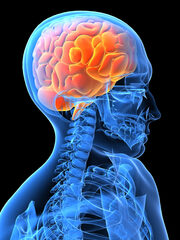
Post
Traumatic Stress Disorder (PTSD) is a natural emotional reaction to a
deeply shocking and disturbing experience. It is a normal reaction to
an abnormal situation.
Whistleblower Retaliation is a form of abuse or assault (psychological violence),which has serious and devastating consequences not only for those targeted, but also for any organization within which it is allowed to prevail. Although it can be an overt form of abuse, in the workplace the perpetrators usually act covertly and systematically to undermine, control, and (if they deem it necessary) to "see off" their targets. It has been observed that elements of psychological abuse in the workplace correspond with elements of torture and have similar emotional outcomes for the target. The perpetrators are often superficially charming and may appear to others to be an asset to the organization. In the workplace, the underlying cause of retaliation or bullying is usually power abuse, with the perpetrators choosing as their targets anyone whom they perceive as a threat to their assumed power. When those targeted resist the perpetrators' attempts to control and intimidate them, the perpetrators will simply intensify the abuse until the targets either leave or break down under the stress of what is happening. Anyone may be a Whistleblower if they attempt to tell truth to power about a situation of medical fraud, abuse or neglect (nurse, pharmacist, doctor, veterinarian, researcher, government worker, attorney, police officer, therapist, patent officer, nurses aide or CPA).

Any human being has the potential to develop PTSD. The cause is external not internal. It is a Psychiatric Injury not Mental Illness. It is not resulting from the individual’s personality. The Whistleblower who is the victim of the retaliation is not inherently weak or inferior. In fact, any human being has the potential to develop PTSD. Whistleblower retaliation is extremely stressful and may lead to burnout or stress break-down - which is not the same as nervous or mental break-down; as stated above, everyone breaks down under the stress of a life altering trauma that is deeply wounding.
Thus individuals suffering PTSD are injured, not mentally ill. PTSD indicates severe trauma and stress which causes a weakness in the individual, and not the reverse. This is confusing for mental health practitioners and laypersons alike. But the distinction is important if mental health practitioners desire to assist a traumatized victim. Too often reactions which are normal under excessive or prolonged stress are assumed to be signs of abnormality or deficiency within the person affected, which may then be assumed to be the cause of the problem rather than a consequence of it (this is sometimes referred to as the "Mental Health Trap").

It is important for supporters to provide a safe physical environment, but also emotional safety and be willing to accept a wide range of emotions. According to Maslow’s (1970) hierarchy of needs, the being needs, the three higher-order needs, cannot be met until the deficiency needs the four lower-order needs, are met.. This is critical to relationship building, which will help provide the strong support network that is essential for healing. Recovery requires a sense of power and control. All relationships should be respectful and empower the Whistleblower to make choices. The Whistleblower 's symptoms and behaviors are adaptations to trauma, so services should address all of the Whistle-blower’s needs rather than just symptoms.
"There will be no peace among the nations without peace among the religions and no peace among the religions without dialogue."
-- Fr. Hans Kung
Symptoms of PTSD
Test Your Knowledge of PTSD
Trauma And Post Traumatic Stress Test
View more documents from MedicalWhistleblower
Integration of Traumatic Memory
“Normal Memory, like all psychological phenomena, is an action, essentially it is the action of telling a story….A situation has not been satisfactorily liquidated…. Until we have achieved, not merely an outward reaction through our movements, but also an inward reaction, through the words we address to ourselves, through the organization of the recital of the event to others and to ourselves, and through putting of this recital in its place as one of the chapters in our personal history.”
Pierre Janet, Psychological Healing, 1919
Two Army generals talk about PTSD
DSM-IV diagnostic criteria for Post Traumatic Stress Disorder (PTSD)
DSM-IV diagnostic criteria for Post Traumatic Stress Disorder (PTSD)
The diagnostic criteria for Post Traumatic Stress Disorder (PTSD) are defined in DSM-IV as follows:
A. The person experiences a traumatic event in which both of the following were present:
1. the person experienced or witnessed or was confronted with an event or events that involved actual or threatened death or serious injury, or a threat to the physical integrity of self or others;
2. the person's response involved intense fear, helplessness, or horror.
B. The traumatic event is persistently re-experienced in any of the following ways:
1. recurrent and intrusive distressing recollections of the event, including images, thoughts or perceptions;
2. recurrent distressing dreams of the event;
3. acting or feeling as if the traumatic event were recurring (eg reliving the experience, illusions, hallucinations, and dissociative flashback episodes, including those on wakening or when intoxicated);
4. intense psychological distress at exposure to internal or external cues that symbolize or resemble an aspect of the traumatic event;
5. physiological reactivity on exposure to internal or external cues that symbolize or resemble an aspect of the traumatic event.
C. Persistent avoidance of stimuli associated with the trauma and numbing of general responsiveness (not present before the trauma) as indicated by at least three of:
1. efforts to avoid thoughts, feelings or conversations associated with the trauma;
2. efforts to avoid activities, places or people that arouse recollections of this trauma;
3. inability to recall an important aspect of the trauma;
4. markedly diminished interest or participation in significant activities;
5. feeling of detachment or estrangement from others;
6. restricted range of affect (eg unable to have loving feelings);
7. sense of a foreshortened future (eg does not expect to have a career, marriage, children or a normal life span).
D. Persistent symptoms of increased arousal (not present before the trauma) as indicated by at least two of the following:
1. difficulty falling or staying asleep;
2. irritability or outbursts of anger;
3. difficulty concentrating;
4. hypervigilance;
5. exaggerated startle response.
E. The symptoms on Criteria B, C and D last for more than one month.
F. The disturbance causes clinically significant distress or impairment in social, occupational or other important areas of functioning.
The focus of the DSM-IV definition of Post Traumatic Stress Disorder is a single life-threatening event or threat to integrity. However, the symptoms of traumatic stress also arise from an accumulation of small incidents rather than one major incident. Examples include:
- repeated exposure to horrific scenes at accidents or fires, such as those endured by members of the emergency services (eg bodies mutilated in car crashes, or horribly burnt or disfigured by fire, or dismembered or disembowelled in aeroplane disasters, etc)
- repeated involvement in dealing with serious crime, eg where violence has been used and especially where children are hurt
- breaking news of bereavement caused by accident or violence, especially if children are involved
- repeated violations such as in verbal abuse, physical abuse, emotional abuse and sexual abuse
- regular intrusion and violation, both physical and psychological, as in bullying, stalking, harassment, domestic violence, etc
Where the symptoms are the result of a series of events, the term Complex PTSD may be more appropriate. Whilst Complex PTSD is not yet an official diagnosis in DSM-IV or ICD-10, it is often used in preference to other terms such as "rolling PTSD", and "cumulative stress". See the National Center for PTSD fact page on Complex PTSD.
PTSD and Complex PTSD sufferers report experiencing the following symptoms:
- hypervigilance (feels like but is not paranoia)
- exaggerated startle response
- irritability
- sudden angry or violent outbursts
- flashbacks, nightmares, intrusive recollections, replays, violent visualizations
- triggers
- sleep disturbance
- exhaustion and chronic fatigue
- reactive depression
- guilt
- feelings of detachment
- avoidance behaviors
- nervousness, anxiety
- phobias about specific daily routines, events or objects
- irrational or impulsive behavior
- loss of interest
- loss of ambition
- anhedonia (inability to feel joy and pleasure)
- poor concentration
- impaired memory
- joint pains, muscle pains
- emotional numbness
- physical numbness
- low self-esteem
- an overwhelming sense of injustice and a strong desire to do something about it.
Associated Symptoms of Complex PTSD
Survivor guilt: survivors of disasters often experience abnormally high levels of guilt for having survived, especially when others - including family, friends or fellow passengers - have died. Survivor guilt manifests itself in a feeling of "I should have died too".
Shame, embarrassment, guilt, and fear are encouraged by the bully and those retaliating against the whistleblower, for this is how all abusers - including child sex abusers - control and silence their victims.
Marital disharmony: the target of whistleblower retaliation and workplace bullying becomes obsessed with understanding and resolving what is happening and the experience takes over their life; partners become confused, irritated, bewildered, frightened and angry; separation and divorce are common outcomes.
It seems that Complex PTSD can potentially arise from any prolonged period of negative stress in which certain factors are present, which may include any of captivity, lack of means of escape, entrapment, repeated violation of boundaries, betrayal, rejection, bewilderment, confusion, and - crucially - lack of control, loss of control and disempowerment. It is the overwhelming nature of the events and the inability (helplessness, lack of knowledge, lack of support etc) of the person trying to deal with those events that leads to the development of Complex PTSD. Situations which might give rise to Complex PTSD include bullying, harassment, abuse, domestic violence, stalking, long-term caring for a disabled relative, unresolved grief, exam stress over a period of years, mounting debt, contact experience, etc. Those working in regular traumatic situations, for example the emergency services, are also prone to developing Complex PTSD.
A key feature of Complex PTSD is the aspect of captivity. The individual experiencing trauma by degree is unable to escape the situation. Despite some people's assertions to the contrary, situations of domestic abuse and workplace abuse can be extremely difficult to get out of. In the latter case there are several reasons, including financial vulnerability (especially if you're a single parent or main breadwinner) unavailability of jobs, ageism (many people who are bullied are over 40), partner unable to move, and kids settled in school and you are unable or unwilling to move them. The real killer, though, is being unable to get a job reference - the workplace bully will go to great lengths to blacken the person's name, often for years, and it is this lack of reference more than anything else which prevents people escaping.
The law is inadequate because the better a person qualifies to pursue a claim for personal injury by satisfying PTSD DSM-IV diagnostic criteria B4, B5, C1, C2, C3, D3, E and F, the more they are, ipso facto, frustrated from pursuing the claim.
B4. intense psychological distress at exposure to internal or external cues that symbolise or resemble an aspect of the traumatic event;
B5. physiological reactivity on exposure to internal or external cues that symbolize or resemble an aspect of the traumatic event.
C. Persistent avoidance of stimuli associated with the trauma and numbing of general responsiveness:
C1. efforts to avoid thoughts, feelings or conversations associated with the trauma;
C2. efforts to avoid activities, places or people that arouse recollections of this trauma;
C3. inability to recall an important aspect of the trauma;
D3. difficulty concentrating;
E. The symptoms on Criteria B, C and D last for more than one month.
F. The disturbance causes clinically significant distress or impairment in social, occupational or other important areas of functioning
Medical Whistleblower acknowledges Tim Fields, an English advocate for persons who experienced workplace bullying, as the pioneer of this work on the effects of psychological violence in the workplace. Much of this material came from the wonderful research he did on the topic. There is additional information on his website Stress Injury to Health and Trauma
"We believe that the people are the source of all governmental power; that the authority of the people is to be extended, not restricted."
-Barbara Jordan
Trauma Informed Care
Our goal at Medical Whistleblower is to provide advocacy for Medical Whistle-blowers and to help stem the tide of secondary victimization by their care providers, friends, family and co-workers. We provide educational materials, newsletters on critical topics of interest and referrals to care professionals who are knowledgeable in trauma informed care.

"Even in states with a victims' rights constitutional amendment, the overall protection of victims is varied and uneven. .
In addition, without federal constitutional protection, victims’ rights
are always subject to being automatically trumped by defendants’ rights.”
Robert E. Preston, Co-chair,
National Victims’ Constitutional
Amendment Network
 Principles of Trauma Informed Care
Problems and Symptoms are inter-related responses to the trauma of retaliation and represent coping mechanisms developed by the Medical Whistleblower in order to deal with their personal trauma. It is critically important to empower the Whistleblower by providing choice, autonomy and control in their care support and networks. This is central to healing. Primary goals are defined by Medical Whistleblowers themselves and focus on recovery, self-efficacy, and healing. Advocacy must be proactive – preventing further crisis & avoiding further re-traumatization.
"People are like stained glass windows, they sparkle and shine when the sun is out; but when darkness sets in, their true beauty is revealed only if there is a light within"
Elizabeth Kübler-Ross
Maslow's Heicharcy of Needs & Self Actualization
|
TRAUMA INFORMED |
TRADITIONAL APPROACHES |
|
Problems/Symptoms are inter-related responses to or coping mechanisms to deal with trauma. |
Problems/Symptoms are discrete and separate |
|
Providing choice, autonomy and control is central to healing. |
People providing services are the experts, Trauma Survivors are broken & vulnerable. |
|
Primary goals are defined by trauma survivors and focus on recovery, self-efficacy, and healing. |
Primary goals are defined by service providers and focus on symptom reduction. |
|
Proactive – Preventing further crisis & avoiding retraumatization. |
Active – services and symptoms are crisis driven and focused on minimizing liability. |
Common Reactions to Trauma
 Anxiety and Fear
Anger, Depression
Flashbacks /Unwanted, Intrusive & Distressing Memories of Retaliation Events
Disorientation
Difficulty Concentrating
Self-blame, Guilt
Shame
Avoidance
Social Isolation
Shutting down or Emotional numbing
Physical health symptoms
"Being defeated is only a temporary condition; giving up is what makes it permanent."
Marilyn vos Savant
Stress, Resiliency and PTSD
Additional Information from Medical Whistleblower
Medical Whistleblower Brochures
Advice to Medical Whistleblowers
Advice to Whistleblower Supporters
The Spiritual Side of Whistleblowing
Your Problem Solving Personality
PTSD - Emotional and Psychological Symptoms
Effects of Whistleblower Retaliation
Behind the Blue Line - Law Enforcement Whistleblowers
Medical Whistleblower Canary Notes
Bridging the Gap - Communicating Across Disciplines
Martin Luther King Jr. , Title 42 and 1983
White Collar Crime and Criminal Intelligence
United Nations Declaration of Human Rights
Medical Whistleblower PowerPoint Presentations
Post Traumatic Stress Disorder and Compassionate Care
Bullying and Workplace Violence
Drug Faciliated Sexual Assault
Triggers
People with PTSD may experience a variety of somatic and psychological complaints, including sleep disturbance, outbursts of anger, or an exaggerated startle response. (They jump at sudden noises or movements). A characteristic of PTSD is the remembering of the trauma, and sometimes actually reliving the events in the mind. Medical Whistleblowers have recurrent recollections of the event, distressing dreams about what happened, or some other form of psychological rehashing of the event. As a result, the Whistleblower avoids all situations that might be a reminder of the trauma, and tends to react with significant anxiety whenever there is a reminder of the event. These precipitating events are called Triggers. These violent recollections can have a serious impact on a person's feelings, and the physiological reactions to these feelings, become patterns of anticipation, which in turn create more maladaptive feelings.
Excellent Book by Tim Field
Bully in Sight
How to predict, resist, challenge and combat workplace bullying
Overcoming the silence and denial by which abuse thrives
by Tim Field
Foreword by Diana Lamplugh OBE
ISBN 0952912104
Published by Success Unlimited 1996, reprinted 1998, 1999 and 2001
Paperback, 16 chapters, 384 pages, resources, index
Bully in sight identifies bullying as the common denominator of harassment, discrimination, prejudice, abuse, conflict and violence, and describes the principal perpetrator of psychological violence, the serial bully. Bully in sight is one of the first books to describe psychiatric injury and Post Traumatic Stress Disorder resulting from long-term bullying.
Written with the experience and insight only a fellow experiencer can impart, Bully in sight validates the experience of bullying when everyone else is trying to ignore or deny it. Packed with insight, ideas, guidance and direction, plus sources of help and suggested reading.
Be on your guard; stand firm in the faith; be men of courage; be strong.
1 Corinthians 16:13
"Don't let life discourage you, everyone who got where he is had to begin where he was."
--Richard L. Evans
Life shrinks or expands in proportion to one's courage.
--Anais Nin
"We must believe in ourselves or no one else will believe in us; we must match our aspirations with the competence, courage and determination to succeed."
--Rosalyn SussmanYalow
Any intelligent fool can make things bigger and more complex... It takes a touch of genius --- and a lot of courage to move in the opposite direction.
--Albert Einstein
"Courage doesn't always roar. Sometimes courage is the little voice at the end of the day that says I'll try again tomorrow."
~Mary Anne Radmacher
Each of us, as Medical Whistleblowers, are injured and traumatized by the retaliation we suffered. Each of us is on our own pathway to recovery. During that healing journey we will many times revert back to an earlier stage of vulnerability or lapse in our forward momentum. But when we work together as a team, we can accomplish great things and will change the system in ways, even we, can not anticipate.
“Acquire knowledge. It enables its possessor to distinguish right from wrong; it lights the way to heaven; it is our friend in the dessert, our society in solitude, our companion when friendless; it guides us to happiness; it sustains us in misery; it is an ornament among friends, and an armor against enemies.”
Muhammad (570-632)
Many a successful movement has been accomplished by ordinary people doing extraordinary even heroic accomplishments. No one who was ever perfect led a successful movement for change. These tasks were accomplished by ordinary people, not waiting for perfection or sainthood. You do not need the most perfect understanding. You do not need to have more perfect moral consistency of character. You do not need to be gifted with perfect eloquence.
“The journey of a thousand miles begins with one step.”
Lao Tsu
Human Rights Links
Human Rights Links
International Red Cross Committee
United Nations Human Rights Treaty Body Database
*for State party reports, Concluding Observations, and other treaty body documents
United Nations High Commissioner for Human Rights
Committee on the Elimination of All Forms of Discrimination against Women (CEDAW)
CESCR Convention text CESCR-- Convention on Economic, Social and Cultural Rights
State party reports
Concluding Observations
Association for Women's Rights in Development (AWID)
Center for Reproductive Rights
Disabled Women's Right to Health Care
International Women's Rights Action Watch Asia Pacific (IWRAW-AP)
University of MN Human Rights Library
Women's Human Rights Resources, Bora Laskin Law Library, University of Toronto
Alliance for Human Research Protection
Lay the kindling
Strike a match
Set the table
Open up the door
Find your belly breath before you speak,
before you engage in old thoughts
When your homeless, darkly cloaked friends
arrive
Bearing the gifts of shameful habits, brutal
ambition, awkward adolescence
Embrace them with the strength of your light
The light that is even more ancient than
these lifelong friends
The light that cannot be outshone
Because it is a sky-like kind of love, a most
gracious, unprejudiced host.
See them begin to speak, tentative at first,
Warming in the embrace of this bright sun of
the heart.
Like campers in a circle, staring at a fire
It's the warmth of the flames that gets them
talking,
That brings ease and allows for
self-consciousness to undress.
Watching the smoldering coals of
transformation,
Menacing but nurturing
Heating yet potentially scarring,
Yes- we must take care around these coals,
But it doesn't mean we shouldn't look,
Or stir,
Or feed the fire's hungry mouth with things
That are ready to be burned.
Lela Beem
July 7, 2009
Find Lela under Find a Practitioner at
www.pryt.com
Teddy Roosevelt:
"Unless a man is honest we have no right to keep him in public life, it matters not how brilliant his capacity, it hardly matters how great his power of doing good service on certain lines may be... No man who is corrupt, no man who condones corruption in others, can possibly do his duty by the community."
Trauma And Post Traumatic Stress
"Freedom is never voluntarily given by the oppressor; it must be demanded by the oppressed."
Martin Luther King
Re-Traumatization
 Society has a tendency to blame the victim for not being able to simply being able to “get over it” and this cultural lack of support can be classified as secondary wounding and promotes re-victimization which treats the victim as defective or deficient. During this secondary re-traumatization, the loss of Medical Whistleblower’s human potential is incalculable. The first action necessary to enable a Whistleblower to find their own pathway to personal healing is to stop the continuing harassment and create safety and security for them both physically and emotionally. Our society views many objects as disposable and when an object is tarnished or dented the tendency is to deem its value gone, throw it away and rush to the stores to replace it. When Medical Whistleblowers become targets of retaliation in an effort to silence them, their value as highly competent and experienced professionals becomes forgotten in the rush to strip them of their professional credientals in order to discredit their allegations against the wrongdoers. Telling the Truth to authorities often means permanent loss of the Medical Whistleblowers extensive professional skills and abilities and financial ruin for him/her and their family. We must remember that human beings are not disposable objects and we must value the personal and professional characteristics of each whistleblower and remember that the growth potential available through the healing process is infinite.
"When someone is a victim, he or she should be at the center
of the criminal justice process, not on the
outside looking in”.
President William J. Clinton
Rose Garden, June 25, 1996
In his autobiography, You Can’t be Neutral on a Moving Train, Howard Zinn wrote:
“To be hopeful in bad times is not foolishly romantic. It is based on the fact that human history is a history of not only cruelty, but also of compassion, sacrifice, courage, kindness. What we choose to emphasize in this complex history will determine our lives. If we see only the worst, it destroys our capacity to do something. If we remember those times and places – and there are so many – where people have behaved magnificently, this gives us the energy to act, and at least the possibility of sending this spinning top of a world in a different direction. And if we do act, in however small a way, we don’t have to wait for some grand utopian future. The future is an infinite succession of presents, and to live now as we think human beings should live, in defiance of all that is bad around us, is itself a marvelous victory.”
Police & PTSD - http://www.badgeoflife.com/ to see how you can help
Post Traumatic Stress References
References on psychiatric injury
Post Traumatic Stress Disorder: the invisible injury, 2005 edition, David Kinchin, Success Unlimited, 2004, ISBN 0952912147
Supporting Children with Post-traumatic Stress Disorder: a practical guide for teachers and professionals, David Kinchin and Erica Brown, David Fulton Publishers, 12.00, ISBN 1853467278
Stress and employer liability, Earnshaw & Cooper, IPD, 1996, 16.95, ISBN 0852926154 (updated edition in preparation)
Why zebras don't get ulcers: an updated guide to stress, stress-related diseases, and coping, Robert M Sapolsky, Freeman, 1998, ISBN 0716732106
The Body Bears the Burden: Trauma, Dissociation and Disease, Robert C Scaer, MD, The Haworth Medical Press, NY, ISBN 0789012464
Recovering damages for psychiatric injury, M Napier & K Wheat, Blackstone Press, 19.95, ISBN 1854313525
Understanding stress breakdown, Dr William Wilkie, Millennium Books, 1995
Understanding stress, V Sutherland & C Cooper, Chapman and Hall
Trauma and transformation: growing in the aftermath of suffering, R Tedeschi & L Calhoun, Sage, 1996
The Railway Man, Eric Lomax, Vintage, 1996, ISBN 0099582317 (a poignant story of un-diagnosed PTSD from World War II)
The Inner Bookshop, 111 Magdalen Road, Oxford OX4 1RQ: mind, body, spirit, esoteric, holistic, paranormal, contact experience etc.
European Journal of Work and Organizational Psychology (EJWOP), 1996, 5(2), whole issue devoted to bullying and its effects, including PTSD. Published by Psychology Press, 27 Church Road, Hove, East Sussex BN3 2FA, UK.
British Journal of Psychiatry, (1997), 170, 199-201, The 'glucocorticoid cascade' hypothesis in man: prolonged stress may cause permanent brain damage, Dr John T O'Brien MRCPsych, Department of Psychiatry and Institute for the Health of the Elderly, University of Newcastle.
Cortisol - keeping a dangerous hormone in check, David Tuttle, LE Magazine July 2004
T cells divide and rule in Gulf War syndrome (and asthma, TB, cancer, ME), Jenny Bryan, Immunology section in The Biologist, (1997) 44 (5)
Traumatic stress under-recognised
5% of males and 10% of females will develop PTSD in their lifetime says the National Institute for Clinical Excellence (NICE): http://news.bbc.co.uk/1/hi/health/4373367.stm
David Kinchin's own web page and PTSD workshops
The late Professor Heinz was one of the world's pioneers and foremost authorities on mobbing (bullying) and PTSD, with over a decade of experience. His web site is essential reading for anyone studying the effects of bullying on health.
David Kinchin, author of Post traumatic Stress Disorder: the invisible injury, 2004 edition
BBC News Online: bullying at school causes PTSD, name calling and verbal abuse worse than physical bullying
Ex-soldier Michael New wins 620,000 damages for PTSD: http://news.bbc.co.uk/1/hi/wales/4725455.stm
US soldiers return from Iraq with PTSD: http://news.bbc.co.uk/1/hi/world/americas/4474715.stm
Untreated PTSD may mean a lifetime of impoverished physical health including heart disease and cancer: http://news.bbc.co.uk/1/hi/health/4179602.stm
Bullied workers suffer 'battle stress' and show the same symptoms of armed forces personnel who have been engaged in war: http://news.bbc.co.uk/1/hi/business/3563450.stm
National Center for PTSD fact sheets & their site.
Help guide for Post-traumatic Stress Disorder (PTSD): Symptoms, Types and Treatment
High percentage of youth in the USA report symptoms of Post Traumatic Stress and other disorders; study involving 4,023 adolescents finds that exposure to interpersonal violence (including bullying) increases the risk for PTSD.
PTSD Public Service Announcement Website
Patience Press aims to ensure that other people never have to be alone with the pain of PTSD, struggling to heal without help or support.
The Traumatic Stress Clinic in London has good online information about PTSD.
UK Trauma Group web site.
Contact information about local specialist resources in the UK offering advice about the assessment or treatment of people with psychological reactions to major traumatic events.
NICE guidelines for PTSD: http://www.nice.org.uk/
CODT - Cooperative Online Dictionary of Trauma, a dictionary of trauma terms:
The National Institute for Clinical Excellence (NICE) page on Post Traumatic Stress Disorder (PTSD).
American Psychiatric Association (APA) public information
Dave Baldwin's site at http://www.trauma-pages.com/ contains comprehensive links.
A Valuable Stress Information Resource Website
Stress Spot is a stress information resource with links to Post Traumatic Stress Disorder web sites.
The Panic Center.
Brain Injury Resource Center page on Post Traumatic Stress Disorder
The Trauma Center in Alston, Massachusetts. The Medical Director of the Trauma Center is Dr Bessel van der Kolk.
Partners with PTSD by Frank Ochberg, M.D.
Why a broken heart hurts so much; social rejection may affect your brain as much as physical pain
Legal Abuse Syndrome: how the courts and legal system may cause Post Traumatic Stress Disorder
Essentials for litigating Post Traumatic Stress Disorder (PTSD) claims: http://www.lawandpsychiatry.com/html/Litigating%20PTSD%20Claims%20-%20Final.pdf
Descriptions of Post Traumatic Stress Disorder (PTSD) and Acute Stress Disorder (ASD).
Gift From Within is a private, non-profit organization dedicated to those who suffer post-traumatic stress disorder (PTSD), those at risk for PTSD, and those who care for traumatized individuals.
Articles from Psychology Today: When Disaster Strikes by Hara Estroff Marano, Recovering From Trauma and Life Lessons by Ellen McGrath Ph.D., plus Trauma Do's and Don'ts
The Healing Centre Online is at http://www.healing-arts.org/
Ask the Internet Therapist
The International Society for Traumatic Stress Studies (ISTSS) has a comprehensive web site on various aspects of trauma and its causes.
The European Society for Traumatic Stress Studies (ESTSS) web site.
The Invisible Epidemic: Post-Traumatic Stress Disorder, Memory and the Brain by J. Douglas Bremner, M.D.
Information for for ex-servicemen & servicewomen who think they are suffering from PTSD.
Information on Falsification of Type (Dr Carl Gustav Jung's description for an individual whose most developed and/or used skills were outside one’s area of greatest natural preference) and PASS (Prolonged Adaption Stress Syndrome) is at http://www.benziger.org/pass.html
Links to PTSD and PTSD-related sites are at http://www.ptsd.com/
Gillian Kelly, barrister at law, looks at the development of Post Traumatic Stress Disorder and the legal recognition thereof on her web site at http://www.telecoms.net/law/index.html
Hope E. Morrow's Trauma Central contains a large collection of links to online articles on trauma and related subjects.
Risk Factors in PTSD and Related Disorders: Theoretical, Treatment, and Research Implications, Anne M Dietrich MA, Doctoral Candidate, University of British Columbia, Canada
See the ability, not the disability list of PTSD links
From vulnerability to strength
From Vulnerability To Strength
View more documents from MedicalWhistleblower
“Too often we underestimate the power of a touch, a smile, a kind word, a listening ear, an honest compliment, or the smallest act of caring, all of which have the potential to turn a life around.”
― Leo Buscaglia
Medical Whistleblower Advocacy Network
MEDICAL WHISTLEBLOWER ADVOCACY NETWORK
P.O. 42700
Washington, DC 20015
MedicalWhistleblowers (at) gmail.com
CONTACT
Educational Materials from Medical Whistleblower

Medical Whistleblower Canary Brochures
Advice to Medical Whistleblowers
Advice to Whistleblower Supporters
The Spiritual Side of Whistleblowing
Your Problem Solving Personality
PTSD - Emotional and Psychological Symptoms
Effects of Whistleblower Retaliation
Behind the Blue Line - Law Enforcement Whistleblowers
Medical Whistleblower Canary Notes
Bridging the Gap - Communicating Across Disciplines
Martin Luther King Jr. , Title 42 and 1983
White Collar Crime and Criminal Intelligence
United Nations Declaration of Human Rights
"Never impose on others what you would not choose for yourself." Confucius
"It is not the critic who counts; not the man who points out how the strong man stumbles, or where the doer of deeds could have done them better. The credit belongs to the man who is actually in the arena, whose face is marred by dust and sweat and blood; who strives valiantly; who errs, who comes short again and again, because there is no effort without error and shortcoming; but who does actually strive to do the deeds; who knows great enthusiasms, the great devotions; who spends himself in a worthy cause; who at the best knows in the end the triumph of high achievement, and who at the worst, if he fails, at least fails while daring greatly, so that his place shall never be with those cold and timid souls who neither know victory nor defeat."
Theodore
Roosevelt- Excerpt from the speech "Citizenship In A Republic",
delivered at the Sorbonne, in Paris, France on 23 April, 1910